
A room full of books, lectures and homework can impart information, but it is hands-on experience that moulds the way students implement that information. There are times when the chasm between theory and practice seems huge. What one learns in classrooms is hardly sufficient when students enter the workplaces that are dominated by high-velocity technologies and changing issues.
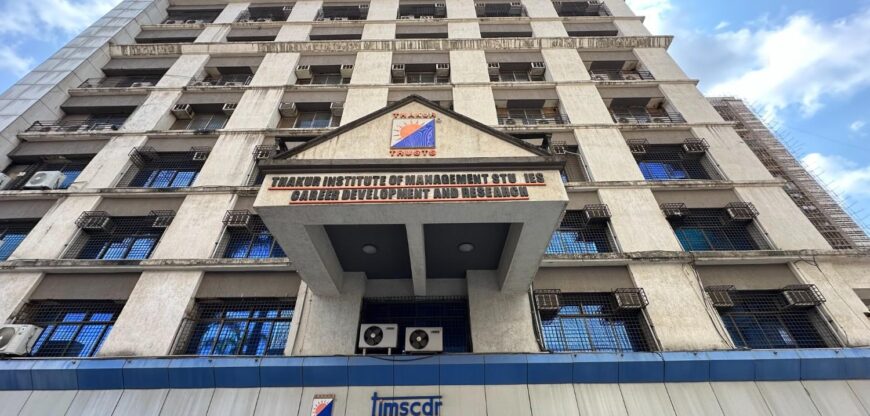
This is where collaborations in the industry come into play. Working hand-in-hand with firms and professionals, students get exposed to real-world challenges, creative solutions and hands-on tools that make their classroom learning come alive. For Thakur Institute for Management Studies, Career Development, and Research, industry collaborations are not an optional extra; they are the foundation of the learning experience.
These collaborations not only prepare students with theoretical knowledge but are also geared towards students being able to solve practical problems, interact with industry professionals and contribute effectively from day one. Here are some of the ways in which industry collaborations at TIMSCDR bridge the gap between class-room learning and career readiness.
1. Internship Programs that Offer Hands-On Learning
Internships are one of the strongest mechanisms for students to link academic principles with professional demands. TIMSCDR’s collaborations with corporations make it possible for students to participate in internships that are supervised, structured and aligned with their academic objectives.
By working on actual projects, attending team meetings and seeing deadlines, budget, and client needs impact decision-making during internships, students develop technical and soft skills including communication, teamwork and problem-solving skills.
2. Industry Expert Workshops and Seminars
Book learning and classroom lectures are important, yet listening to professionals who are currently employed in the field helps to provide students with a different view. TIMSCDR frequently invites workshops and seminars presented by experts in the field who present their experiences, challenges and success strategies.
These happenings expose students to real-time trends, new tools and career avenues that they may not be exposed to under a regular curriculum. Students can also ask questions, network and experience areas of interest for future projects or internships.
3. Live Projects that Mimic Real Business Challenges
Live projects are a great means of putting the knowledge gained by students into practice through solving situations that reflect real world industry problems. TIMSCDR’s partnerships with businesses facilitate students’ engagement in projects which involve research, analysis, design and implementation under real-world limitations.
Such projects provide an opportunity for students to work in groups, adhere to project schedules and present solutions to professionals. It allows them to see how theoretical concepts are applied to address real problems while honing leadership and critical thinking skills.
4. Industry Professional Mentorship
Mentorship schemes link students with career professionals who mentor them in academic decisions, career planning and skill acquisition. The mentors provide tips on overcoming difficulties, making educated choices and keeping abreast of industry needs.
Mentors also assist students in pursuing opportunities that match their strengths and passions, providing one-on-one feedback that is not available in the classroom. This individualized support instils confidence and prepares students for transitions into internships or full-time employment.
5. Research Collaborations that Drive Innovation
Industry partnerships in TIMSCDR branch out to research projects where students and instructors collaborate with businesses on discovering new technologies, creating solutions and innovations. The partnerships expose students to contributing to state-of-the-art projects and learning about research processes and industry practices.
Research collaborations also provide access to financing, cutting-edge equipment and infrastructure that might otherwise prove difficult to reach. Collaboration with professionals challenges students to expand the limits of knowledge and imagination.
6. Career-Path Decision-Driving Networking Opportunities
A good professional network can be a determining factor when it comes to career growth. From industry collaborations, students at TIMSCDR are exposed to opportunities for establishing valuable contacts with professionals, alumni and recruiters.
Opportunities in networking via events, internships and projects provide a platform for students to present their skills, share ideas and establish relationships that would result in mentorship, employment and long-term partnerships. These interactions provide an environment of support that fosters development and opportunity.
7. Industry Trends and Technologies Exposure
The field of technology continues to evolve. Industry partnerships ensure students remain abreast of emerging tools, programming languages, methodologies and trends that define the discipline of computer applications.
Through internships, projects and seminars, students are taught how to handle emerging technologies like cloud computing, machine learning, data analytics and cybersecurity. Exposures to the latest breakthroughs ensure that students are equipped to address industry needs and contribute to innovation in the future.
8. Confidence and Professionalism through Practice
Practice in actual settings gives students the confidence to share ideas, question and initiate. Industry partnerships challenge students to share their work, get feedback and learn from criticism.
Professionalism and resilience are developed through this process, enabling students to easily move from academic environments to business environments. Practical experience through collaborations equips students to manage pressure, work in teams and adjust to new challenges.
Conclusion:
Collaborations in the industry at Thakur Institute for Management Studies, Career Development, and Research are more than paper partnerships. They are living opportunities that bridge the gap between learning in the classroom and experience in real life, allowing students to develop skills, discover careers and develop as professionals.
Through engagement in internships, workshops, live projects, mentorship, and research programs, students have an extensive grasp of where theory converges with practice. Through these working relationships, students become innovative, gain confidence and unlock the keys to professional success.
For MCA students who are about to enter the business and technology world, industry collaborations are the bridge that translates know-how into action.
Recent Posts
- Career Anxiety After Graduation? MCA as a Safe Yet Powerful Choice
- How to contribute to high-impact open-source projects and get noticed
- Quantum computing basics for programmers: What to learn first
- Migrating legacy applications to cloud-native architectures
- Penetration testing automation: Tools and techniques for beginners and intermediates